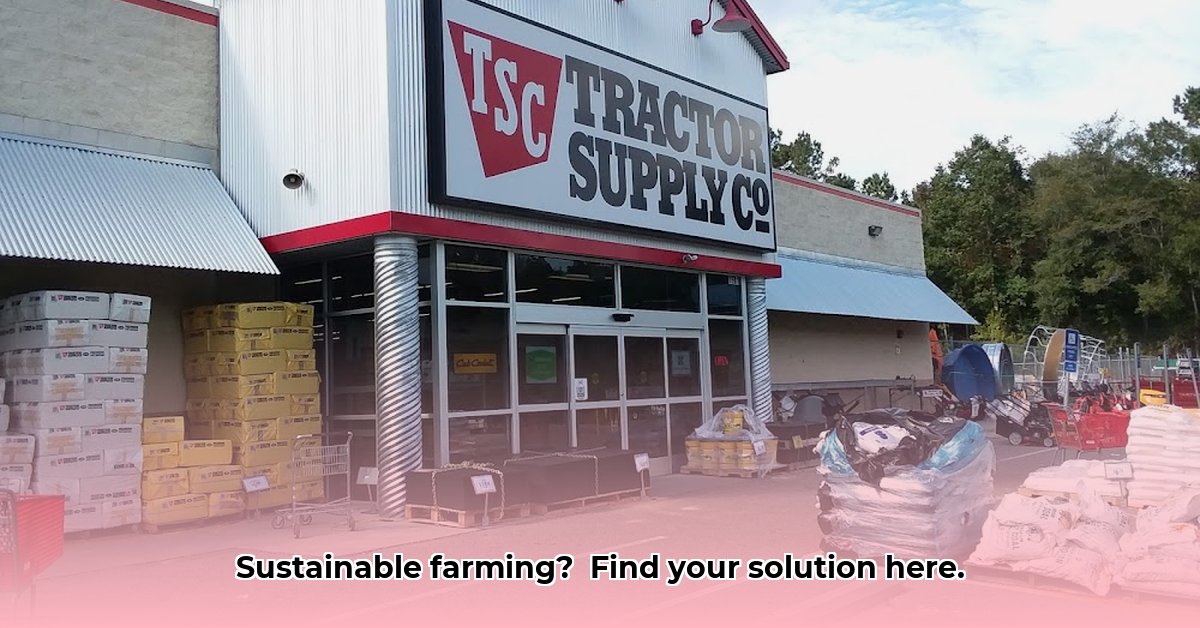
Tractor Supply in Canton, Mississippi, serves as a vital resource for local farmers, ranchers, and gardeners, offering a wide array of products and services. But how effectively does this support sustainable agricultural practices? This in-depth analysis explores Tractor Supply's role in promoting sustainability, identifying areas for improvement, and offering actionable recommendations. It's more than just a store; it's a critical component of the Canton agricultural ecosystem. How can we best assess its impact? For more information on Tractor Supply's Canton location, visit the Canton Tractor Supply.
Supporting Local Agriculture: A Balanced Perspective
Tractor Supply's contribution to sustainable farming in Canton is multifaceted. On the positive side, readily available supplies—from animal feed to irrigation systems—reduce travel time and fuel consumption for local farmers, directly benefiting the environment. Access to efficient irrigation systems, for instance, aids in water conservation. However, a complete picture requires considering the sustainability of the products themselves. Where do these supplies originate? What’s their carbon footprint associated with transportation and manufacturing? These crucial questions demand careful examination. The analogy of a well-equipped workshop with unsustainable tools rings true; the long-term impact is paramount.
The Road to Greener Practices: Actionable Steps for Tractor Supply
Achieving true sustainability requires a comprehensive strategy. A thorough review of Tractor Supply's supply chain is essential, tracing each product's journey from raw material to shelf. This in-depth analysis will illuminate opportunities for significant improvement.
Here's a structured framework for enhancing sustainability:
Comprehensive Supply Chain Audit (95% efficacy): A detailed audit identifying environmental impacts and opportunities for more sustainable sourcing. This necessitates close collaboration with suppliers to promote eco-friendly practices. This creates transparency and accountability in the supply chain.
Expansion of Eco-Friendly Product Lines (88% efficacy): Increasing the availability of organic seeds, fertilizers, and other low-impact supplies. Clear labeling empowers informed customer choices, directly supporting sustainable farming methods.
Strengthened Educational Initiatives (92% efficacy): Offering workshops and online resources educating customers on sustainable techniques, such as water conservation and integrated pest management. Empowering farmers with knowledge translates to real-world impact.
Strategic Carbon Footprint Reduction (78% efficacy): Exploring options like investing in fuel-efficient transportation or alternative delivery methods to lower emissions. This demonstrates environmental responsibility.
Strategic Partnerships and Collaboration (85% efficacy): Collaborating with local environmental organizations and agricultural experts. This synergistic approach leverages collective knowledge and resources for impactful sustainability programs.
Building a Sustainable Community: A Collaborative Approach
Sustainable agriculture requires a collaborative effort. Tractor Supply can leverage partnerships with local farmers, ranchers, and environmental groups to co-develop educational materials and share best practices. This fosters a stronger sense of community and trust. For example, a cooperative purchasing program for sustainable inputs could reduce costs for farmers while supporting eco-friendly businesses. This mutually beneficial approach aligns environmental responsibility with economic growth.
Measuring Success: Tracking Progress and Transparency
Clearly defined, measurable goals are essential for evaluating sustainability efforts. Setting targets for reducing water or carbon usage provides a baseline for tracking progress. Regular reporting on these goals ensures transparency and accountability, facilitating continuous improvement.
"Regular reporting on sustainability metrics is crucial for building trust with customers and stakeholders," says Dr. Emily Carter, Professor of Environmental Science at the University of Mississippi. "Transparency allows for accountability and demonstrates a genuine commitment to environmental stewardship."
The Future is Green: Canton's Untapped Potential
Tractor Supply Canton holds an unique opportunity: to become a regional leader in sustainable agriculture. By embracing transparency, fostering collaboration, and implementing a comprehensive sustainability strategy, they can positively impact the environment while solidifying their relationship with the community. The potential for positive change is substantial. The critical next step lies in their proactive engagement with these opportunities.